
Category: Safe Together

  • Safe together: keep doors and gates secure

    Safe together: keep doors and gates secure

    To help keep the Museum safe and secure, please make sure all doors and gates into non-public areas are fully closed and locked behind you. Access should only be possible with a valid pass.
    • Always check that a door or gate clicks shut before walking away.
    • Never allow someone to follow you through unless you are certain they are a colleague.
    • Stay alert around high-risk areas, including: Door into the Canalside office, door in Hartill’s office, door into Morrall’s, green gate into the compound/clocking-in machine.
    Being vigilant about security keeps everyone safe. Thank you for your cooperation.
  • Car park safety reminder

    Car park safety reminder

    We’ve had a few recent incidents in the car park, so please take extra care when arriving and leaving.

    • Keep your speed below 10 mph at all times.

    • Be especially mindful if your shift begins after the Museum has opened to the public, as there may be children and families moving between vehicles.

    • Remember that gravel and loose tarmac can make it easier to skid.

    Thank you for helping the car park team keep both staff and visitors safe.

  • Safe together at BCLM – Fire safety

    Safe together at BCLM – Fire safety

    If you discover or suspect a fire:

    Your safety comes first – focus on getting yourself out and alerting others.

    • Raise the alarm by pressing the nearest red fire alarm call point (these are usually found on walls near stairwells and exits).
    • Evacuate the building and encourage those around you to do the same. Head to a safe spot outside, such as across the street.
    • Fire extinguishers should only be used if you’re trained, unless you need one to help you get out safely.

    Preventing fires and reducing risks:

    A few small actions can make a big difference in keeping everyone safe:

    • Be mindful with extension cables. Just because it has four sockets doesn’t mean it’s safe to use them all at once! High-power devices, like mobile heaters, shouldn’t be plugged into extensions. If you need more sockets, log a helpdesk ticket with maintenance for advice.
    • Keep escape routes clear. Fire exits and corridors must always be accessible – please don’t block them, even for a short time.
    • Don’t prop open internal doors. Many are fire doors designed to stop smoke and flames from spreading.
    • Stay on top of waste disposal. Empty bins regularly and recycle cardboard to prevent buildup.
    • Leave fire extinguishers where they are. They’ve been placed in specific locations for a reason.
    • See something concerning? Let the Duty Manager know so they can take action.

    By keeping these simple steps in mind, we can all help keep our workplace safe!

  • Safe together at BCLM: Manual handling safety guidance

    Safe together at BCLM: Manual handling safety guidance

    Manual handling operations are a significant contributor to workplace injuries, ill health, and lost time. Common injuries include muscle and ligament strains, hernias, slipped discs, joint injuries (to the knees, ankles, arms, and shoulders), as well as cuts and bruises to the hands, arms, and feet.

    Employers have a duty, as far as is reasonably practicable, to minimise the need for manual handling where there is a foreseeable risk of injury. To mitigate these risks, mechanical aids such as cranes, forklift trucks (FLTs), sack trucks, and pallet trucks are provided.

    When assigned a task, follow these guidelines to ensure safety:

      • Think and observe: Can I complete this task safely? Do I need extra equipment?
      • Seek advice: Speak to your line manager if you are unsure.
      • Use mechanical aids: Is there a device available to help?
      • Check the environment: Is the area safe to complete the task? Do I need to clear space first?
      • Push, don’t pull: Pushing is generally safer and more effective than pulling.
      • Test the weight: Assess whether assistance is needed.
      • Beware of sharp edges: Ensure the load is safe to handle.
      • Clear the route: Make sure the pathway is free of obstructions.
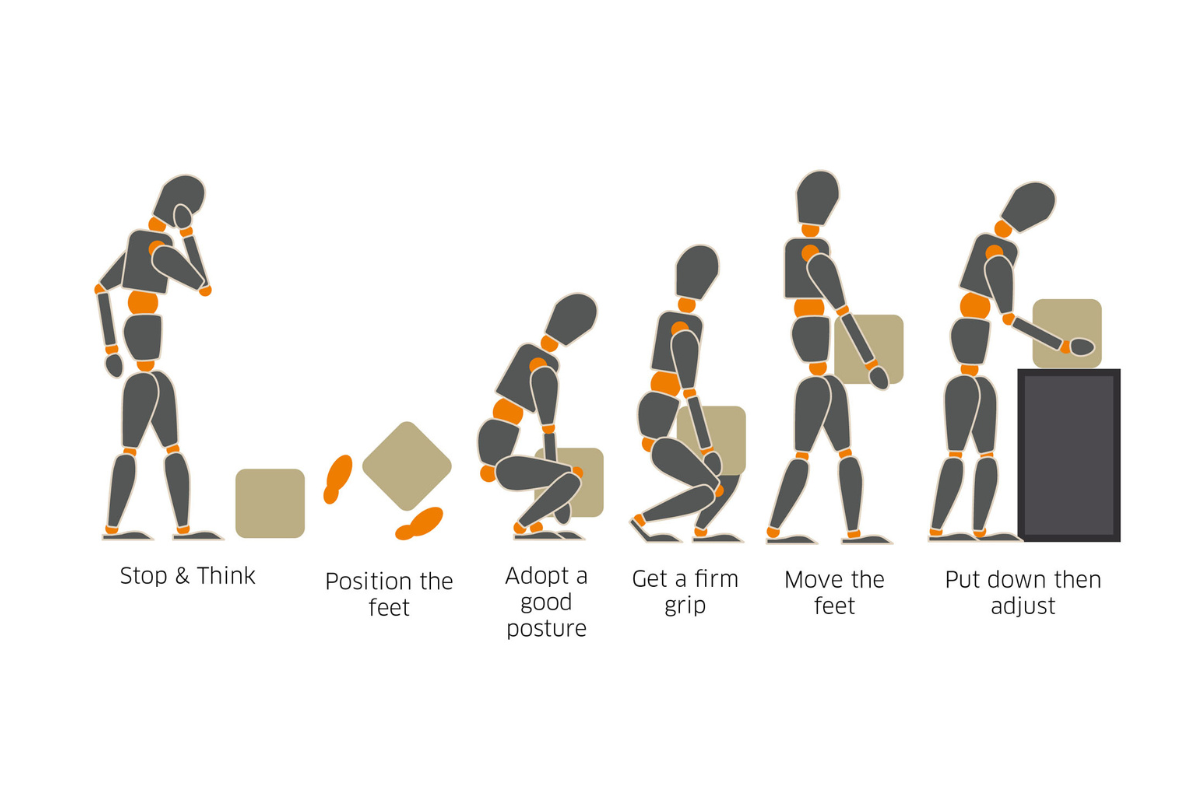
      • Maintain proper posture:
        • Keep the load close to your body and avoid overreaching or stretching.
        • Breathe normally throughout the task.
      • Use your legs: When lifting or putting down a load, use your leg muscles as instructed during training.
      • Avoid twisting: Keep your shoulders in line with your hips. If turning is necessary, move your entire body.
      • Smooth movements: Avoid jerking motions; aim for controlled and steady actions.
      • Never use untrained equipment: Only operate equipment you are trained to use.


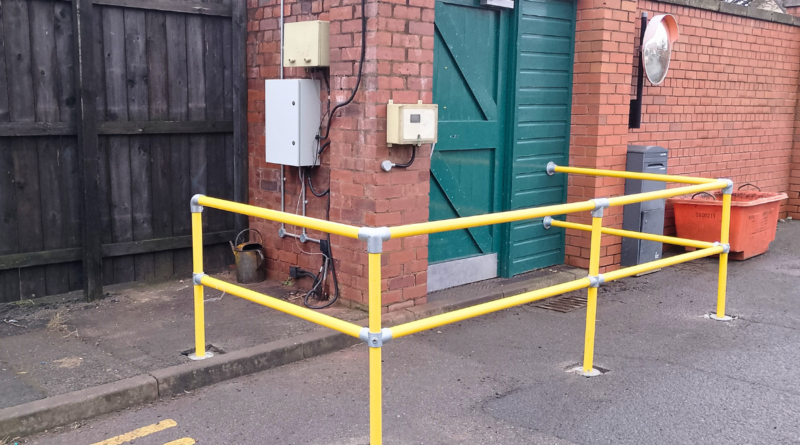
  • New safety barrier installed at clocking-in gate

    New safety barrier installed at clocking-in gate

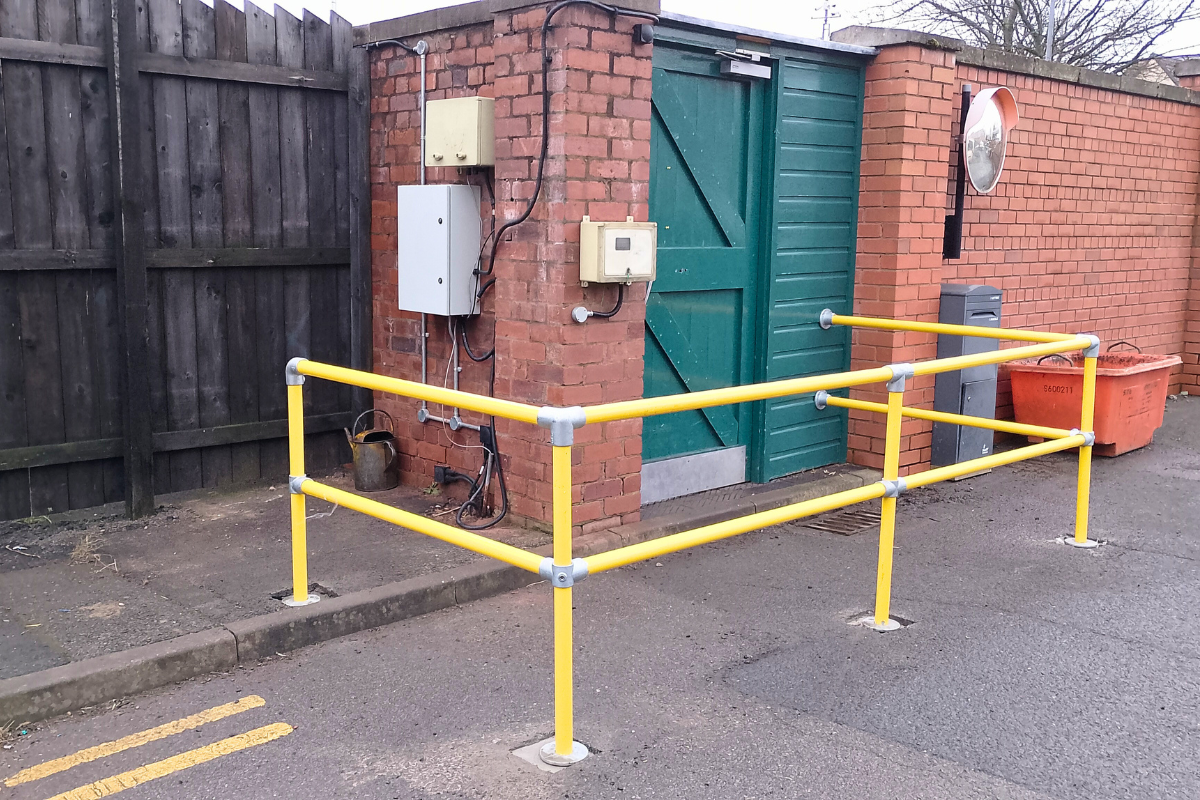
    We’re pleased to share that a new safety barrier has been installed at the gate to protect colleagues as they come through to clock in.

    This improvement was made following a safety concern raised about staff stepping directly into the access road, where they may not be visible to moving vehicles. The barrier acts as a protective measure, ensuring a safer transition into the area.

    Thank you to everyone who brought this to our attention—your input helps us maintain a safer environment for all.

  • Safe together at BCLM: Fire safety.

    Safe together at BCLM: Fire safety.

    Fire can cause damage to property, serious injury, and even loss of life.

    A fire needs three elements to ignite and sustain:

    1. Heat: a source of ignition, e.g., faulty electrical equipment or a lit cigarette.
    2. Fuel: combustible materials such as paper, cardboard, or wood.
    3. Oxygen: provided by natural airflow through open doors, windows, etc.

    By removing any one of these elements, a fire cannot continue.

    Fire prevention tips:

    • Maintain control over waste materials; ensure rubbish does not pile up around the site.
    • Familiarise yourself with the correct firefighting equipment in your area, but only use it if:
      • It is suitable for the type of fire.
      • You have received proper training to operate it.
      • If you are not trained or the equipment is unavailable, follow the evacuation procedures clearly posted throughout the site.

    By staying vigilant and following these guidelines, you can help minimise fire risks and ensure safety for everyone.

  • Safe together at BCLM: Accident prevention in the workplace

    Safe together at BCLM: Accident prevention in the workplace

    Accidents in the workplace can lead to injuries, disabilities, fatalities, and cause financial and reputational damage to businesses. It is essential to take proactive measures to prevent them. Here are some key steps:

    1. Train employees: Ensure all staff receive proper training on equipment, machinery, and handling hazardous materials.
    2. Provide proper equipment: Supply suitable personal protective equipment, and ensure it is regularly maintained.
    3. Keep work areas clean: A tidy workspace reduces the risk of accidents like slips, trips, and falls.
    4. Conduct regular safety audits: Regularly review the workplace for potential hazards.
    5. Encourage hazard reporting: Employees should be encouraged to report hazards they identify.
    6. Respond quickly to hazards: Address any identified hazards promptly to reduce risks.
    7. Conduct ongoing safety training: Regular safety training helps employees stay informed on preventing accidents.

    Conclusion: Prioritising workplace safety through these measures creates a safer and more productive environment, protecting employees and reducing potential costs.

  • Safe together at BCLM: Working at height – steps and ladders

    Safe together at BCLM: Working at height – steps and ladders

    Working at height refers to any situation where, without safety measures, a person could fall from a distance which could result in personal injury.

    Ladders and step ladders are not banned by “health & safety”, they can provide sensible and practical options for low-risk, short duration tasks as long as a few simple rules are followed.

    • Key Principles:
      1. Consider safer alternatives like scaffold towers or scissor lifts.
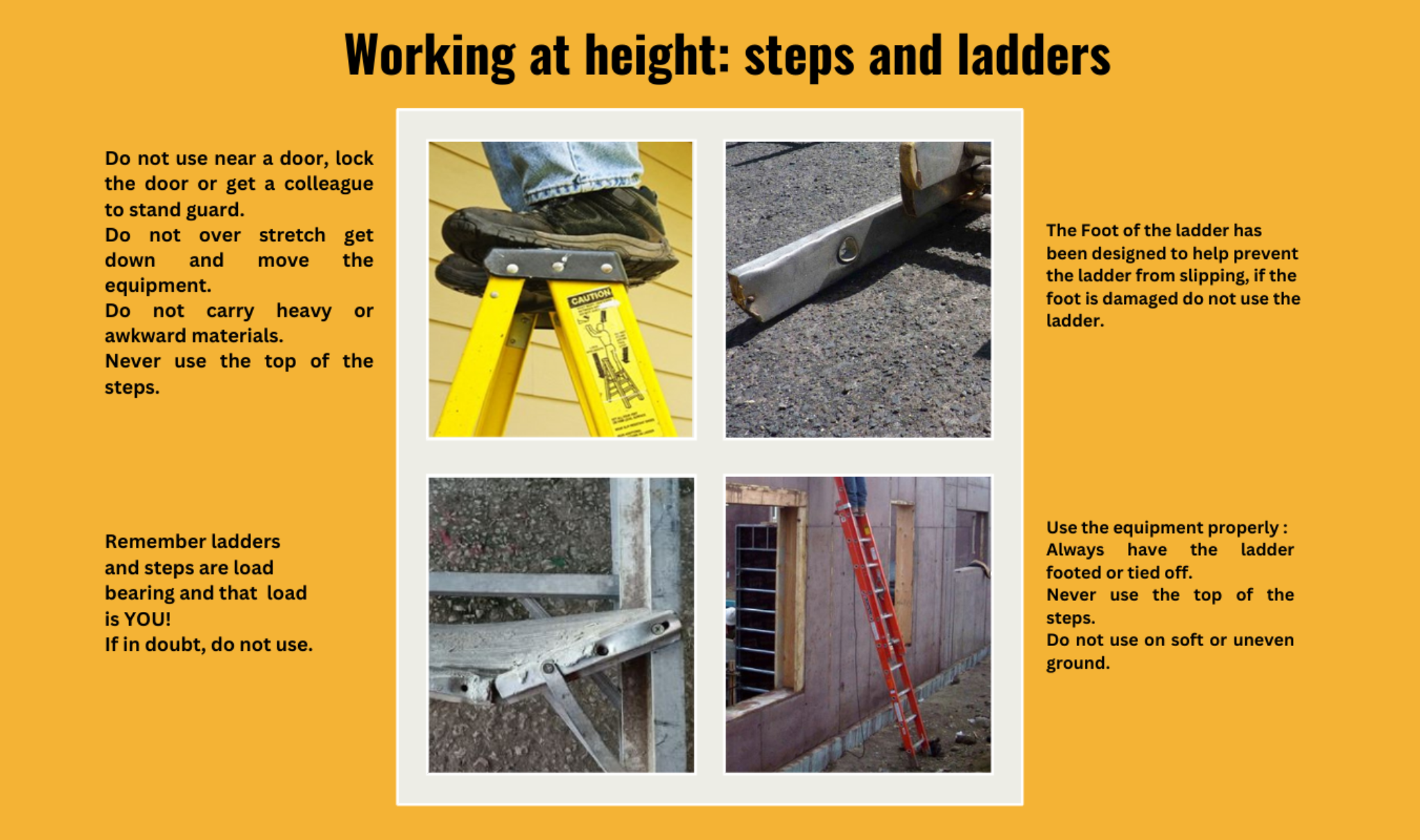
      2. Check equipment condition. Ensure the ladder is not damaged, especially the foot, which prevents slipping.
      3. Load capacity matters. Ladders are load-bearing, if unsure about their capacity, don’t use them.
    • Proper Usage:
      • Always secure the ladder (tied off or footed).
      • Never use the top step or place ladders on soft, uneven ground.
      • Keep ladders away from doorways unless the door is locked or guarded.
      • Avoid overreaching, move the ladder instead.
      • Do not carry heavy materials while climbing.
    • Do’s:
      • Wear proper footwear.
      • Block access to passersby.
      • Maintain the 4:1 ratio and three points of contact.
      • Inspect equipment before and after use.
      • Report any concerns to a manager.

    Following these simple rules helps ensure safe ladder use for low-risk, short-duration tasks.

  • Safe together at BCLM: Slips, trips and falls.

    Safe together at BCLM: Slips, trips and falls.

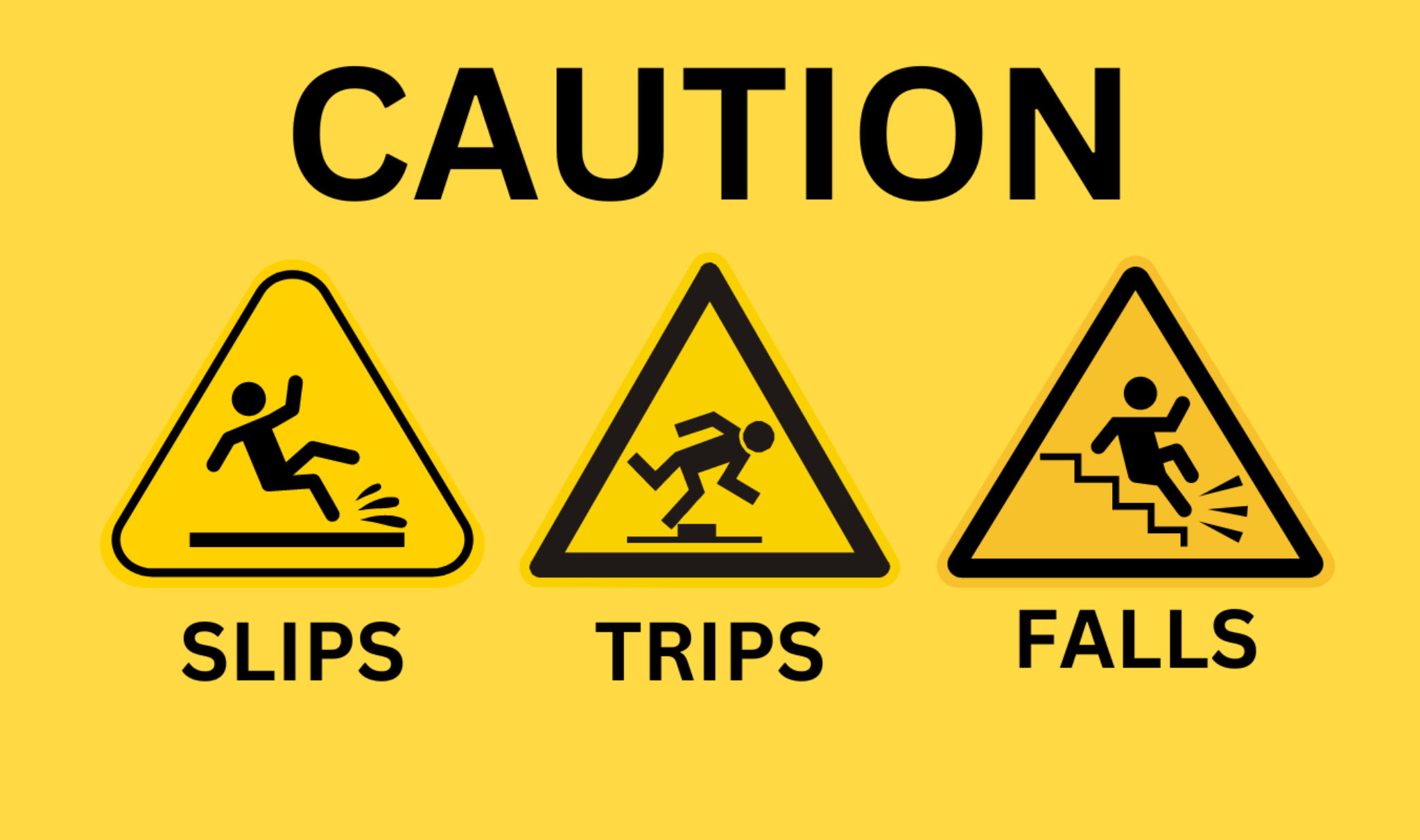
    Slips, trips, and falls (STFs) are the most common workplace hazards, they make up over a third of all serious injuries. Each year, more than 10,000 workers, visitors and costumers suffer injuries from slips, trips and falls. The main factors that contribute to STFs:

    • The stability and condition of the floor surface.
    • The environment; ice, wind, wet, dark.
    • Contamination and obstacles.
    • Individual wellbeing.
    • Footwear.

    Please ensure that floors are kept clean, dry, and free from spillages. This includes grease, oil, and even dry materials like sand, as they can all contribute to STFs.

    Poor housekeeping accounts for 50% of STFs, including spillages not being cleaned up, trailing cables, and misplaced tools or materials. To help avoid these incidents, please ensure the following:

    • Wear the correct footwear.
    • Always be aware of your surroundings.
    • Look out for obstacles.
    • Do not walk while using a mobile phone.
    • Clean and tidy up after yourself. If immediate cleaning isn’t possible, cordon off the area to prevent access.
    • If you notice a pothole or raised carpet, report it to a colleague or manager.

    Remember, failing to clean up after yourself could result in someone else’s trip to the hospital.

  • Safe together at BCLM: Near miss

    Safe together at BCLM: Near miss

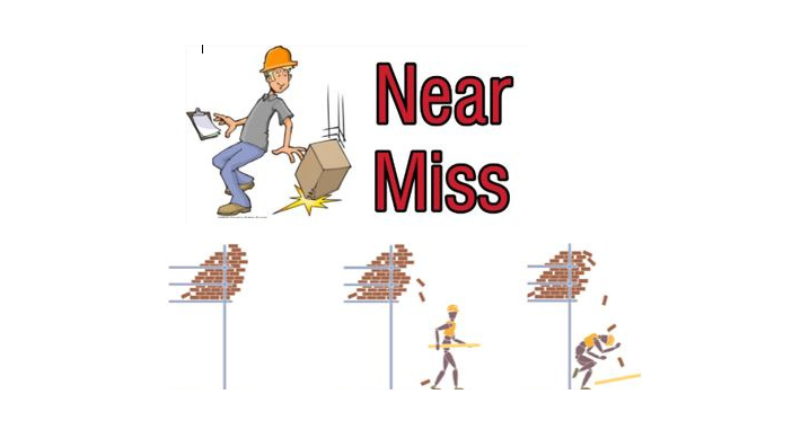
    There are different definitions of the term “near miss”, but the easiest one to understand is “a near miss is an event or situation that could have resulted in injury, damage or loss but did not do so due to chance”. Please take a look at the image above for a graphic explanation.

    • Image 2: This is a near miss because the unsafe condition was not identified, an incident happened but no one was injured and it did not get reported.
    • Image 3: This is an incident, because the unsafe condition was not identified and the near miss was not reported someone got injured.

    When a near miss has been reported it is important to investigate the near miss in an effort to prevent future incidents.

    Action 1 – If an unsafe condition has been identified, report it to your line manager so that it can be dealt with (made safe).

    Action 2 – All near miss reports to be actioned immediately, i.e. within 24 hours.