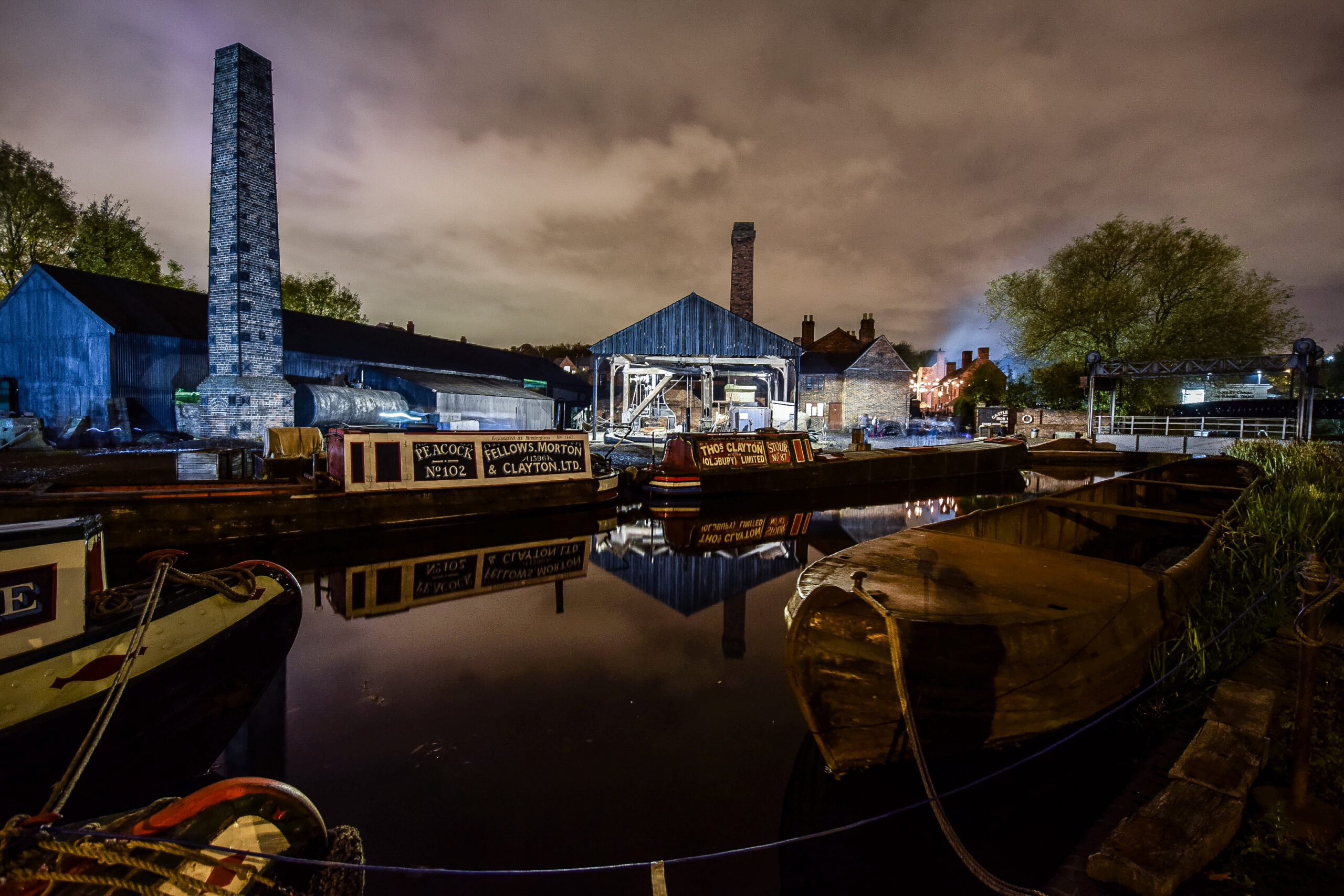
Much of last year was dominated by the long view, as we visualised, shared, garnered support for, promoted, costed, and started to secure investment for BCLM: Forging Ahead, the first phase of our masterplan for the Museum’s next 40 years. As with all such ambitious plans they require the coming together of a complex matrix of investments from several different sources to make them happen, and we have worked hard to make the most of the opportunities we have created with our partners and potential investors. At £22.725m, BCLM: Forging Ahead is a large project – the single largest project in the history of the Museum. However, it needs to be to complete our story (taking the Museum into the 1960s), meet the rising demands of our business and deliver real outcomes for people, communities and heritage in an area of significant social and economic disadvantage and historically low levels of investment in the cultural ‘offer’.
We have already secured in principle support of £8m from the Black Country Local Enterprise Partnership, and the trading success of recent years means we are in a good position to make our own investment of £900,000 over the five year lifespan of phase one. In December, the Board of the Museum was thrilled to sign-off our application for investment of £9.8m from the Heritage Lottery Fund, the outcome of which will be known in late April 2017. It is a strong application and represents an exceptional return on investment for all players of the National Lottery, not least those that live in the Black Country.
We are also looking to the future by asking Arts Council England (ACE) to continue their investment with the Museum, as part of their National Portfolio Organisation (NPO) programme (2018/19-2021/22), with annual funding of £550,000. This would amount to total investment of £2.2m, of which £1.2m supports the Activity Plan of BCLM: Forging Ahead, and is a great example of cross-sector funding leverage. Big ticket items linked to this funding include further investment in costume; the development of heritage performance; community engagement and outreach; volunteering; fundraising capacity; apprenticeships; STEAM learning programmes; and our national programme for the next generation of museum leaders. We’ll know the outcome of this application in the summer of 2017, at the same time as several other museums, many of which will be new to NPO applications, as ACE, for the first time, encourages the widest possible range of museums from across England to secure this type of ‘core’ support. Our application for NPO investment follows the completion of another successful year as a Major Partner Museum (Year 2 of 3), in partnership with Culture Coventry, under the title West Midlands Museum Partnership.
Our approach to seeking ACE funding is to regard it very much as investment, not subsidy and not to rely on it for our long-term sustainability. To my mind, public sector support for the country’s cultural provision is great, but those in receipt should be grateful, rather than demanding. While, sadly, the ongoing unravelling of local authority funding, including for museums and the arts, increasingly means that cash-strapped local authorities are finding it very difficult to be reliable partners.