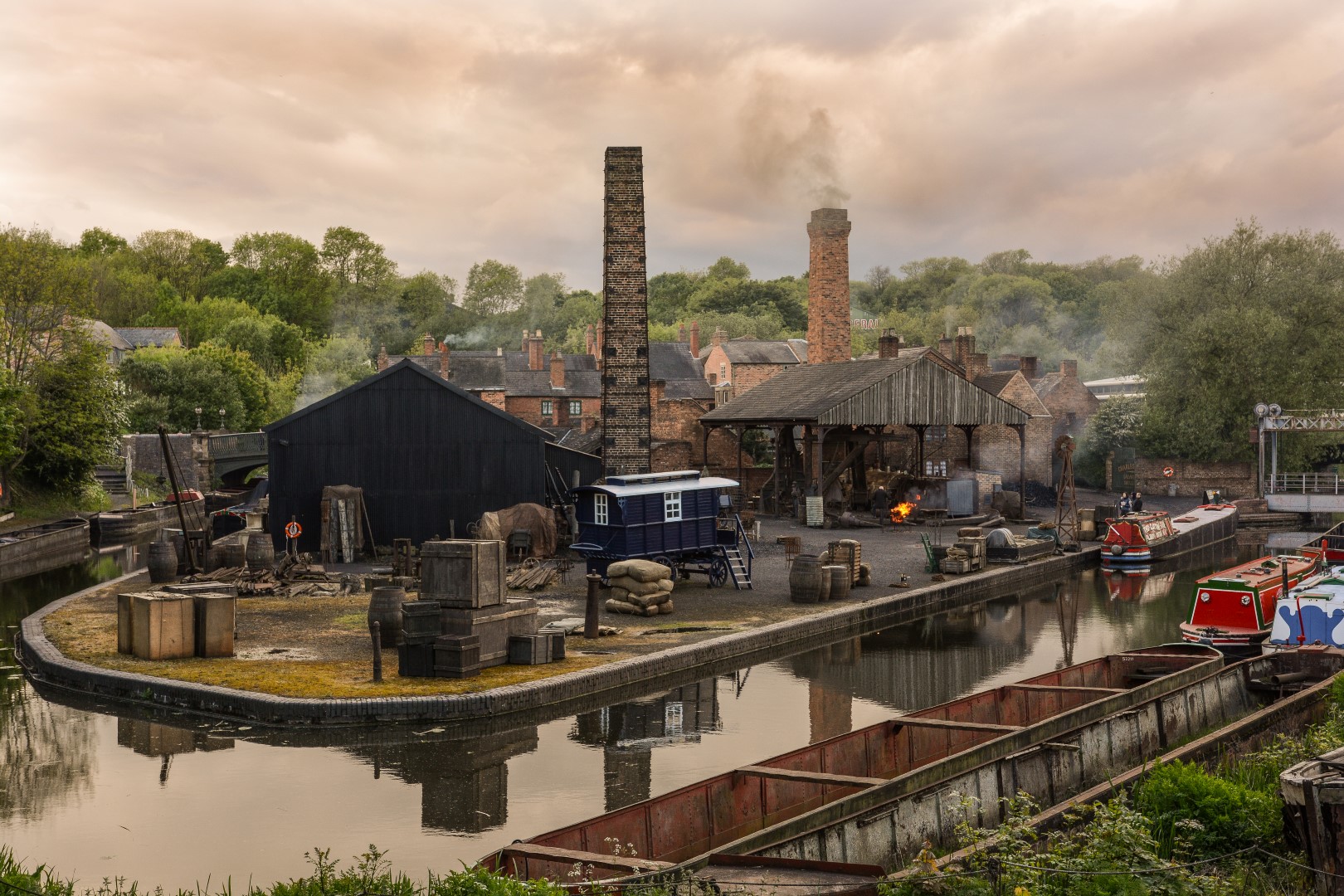
We’ll be launching our public call-out for memories and objects relating to the Cape Hill branch of the West Bromwich Building Society (WBBS) pre-1960 on Monday 5 March.
Do have any personal stories about this WBBS branch that was at 31, Cape Hill, Smethwick (opposite the present-day branch)? Perhaps you held a savings account with them or got your first mortgage there? Or maybe your family or friends worked there?
If you, or anyone you know has anything you would like to share to help in our recreation of the West Bromwich building Society, please pop in and see the Collections team in the Rolfe Street offices.
We’re particularly keen to hear the memories of those who moved to Smethwick from outside the UK during this period. This was a time when housing was a political, economic and cultural issue and finding somewhere to live was often challenging. We are keen to hear how new arrivals found somewhere to live, how they saved to buy a home, and about the difficulties they faced. If you have a story to tell we would love to hear it.
A bit about WBBS
The West Brom was formed as the West Bromwich Permanent Benefit Building Society in 1849, at Paradise Street Methodist schoolrooms in West Bromwich. Societies like this were formed to enable the working classes to afford home ownership and in turn receive a vote, whilst sharing the profits of the venture. The Society grew in strength between the wars, opening a new headquarters, the “Home Of Thrift” in West Bromwich High Street, and branches in Handsworth, Smethwick, Great Bridge and Oldbury. By its centenary year in 1949, the West Brom had over 1.5 million depositors, still helping people to save to afford their own home.
The building we are recreating from 31, Cape Hill, was built in the late nineteenth-century as part of the Post Office on the corner of Windmill Lane, and was taken over by the Building Society in 1931. They moved their Smethwick Branch from Waterloo Road to this more prominent site and refaced the building with a new stone façade. It remained open until around 1970, when the branch moved across the road to its present position.
Why WBBS?
Telling the story of the Society in this period will enable us to show the importance of mutual help and savings to the ordinary residents of the Black Country, and how central to everyday life the idea of home was.